

Sustainability isn’t a trend anymore, it’s a buying decision
In 2026, customers aren’t just asking, “How much does it cost?”
They’re asking:
- Is it reusable?
- Is it recyclable?
- Is it responsibly made?
- Does it create unnecessary waste?
Eco-conscious buying is influencing even the smoke shop industry. Retailers who ignore sustainability risk losing a growing segment of loyal, value-driven customers.
The good news?
Sustainable products don’t just reduce waste, they often increase margins and customer loyalty.
Let’s break down what eco-conscious customers actually want in 2026, and how smart retailers are responding.
Why sustainability matters in smoke retail now
Three forces are driving this shift:
- Younger buyers prioritize environmental impact
- Regulatory pressure on single-use products is increasing
- Social media amplifies brand responsibility
Customers are paying attention. Retailers should too.
The Most In-Demand Sustainable Smoke Shop Products in 2026
1. Reusable Glass Over Disposable Alternatives
Glass is one of the most sustainable materials in the smoke industry.
Why eco-conscious customers prefer glass:
- Long-lasting and reusable
- Easy to clean
- No constant replacement waste
- Higher perceived quality
Premium glass pipes, water pipes, and rigs are increasingly viewed as investment pieces, not temporary products.
Bonus for retailers:
Glass often carries 40–65% margins, making sustainability profitable.
1. Reusable Glass Over Disposable Alternatives
Glass is one of the most sustainable materials in the smoke industry.
Why eco-conscious customers prefer glass:
- Long-lasting and reusable
- Easy to clean
- No constant replacement waste
- Higher perceived quality
Premium glass pipes, water pipes, and rigs are increasingly viewed as investment pieces, not temporary products.
Bonus for retailers:
Glass often carries 40–65% margins, making sustainability profitable.
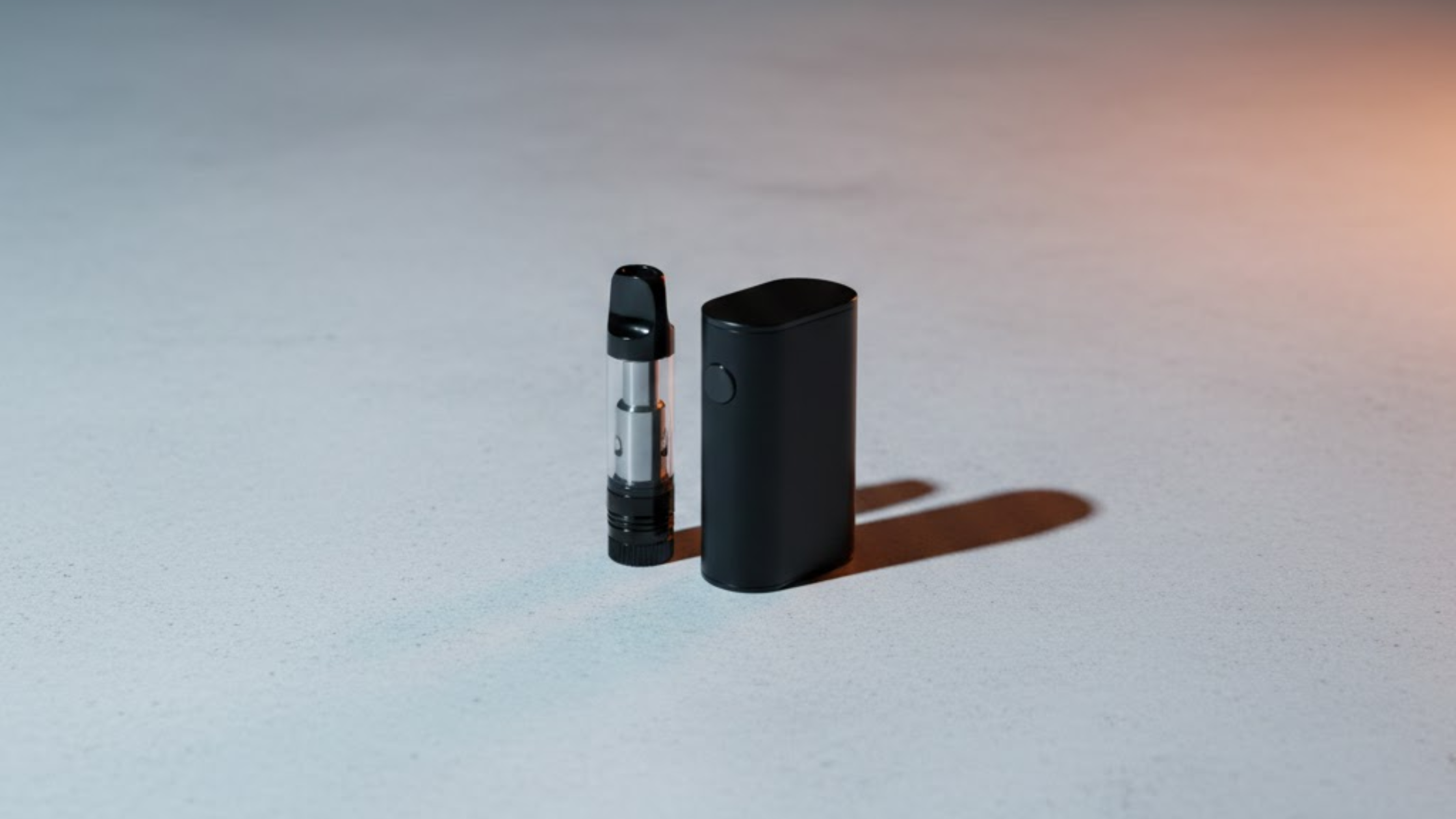
3. Refillable & Rechargeable Devices
Single-use disposables face growing scrutiny in 2026.
Eco-conscious customers are looking for:
- Rechargeable vape batteries
- Replaceable pods
- Durable hardware systems
Retailers who stock rechargeable alternatives alongside disposables capture both convenience buyers and sustainability-focused shoppers.
3. Refillable & Rechargeable Devices
Single-use disposables face growing scrutiny in 2026.
Eco-conscious customers are looking for:
- Rechargeable vape batteries
- Replaceable pods
- Durable hardware systems
Retailers who stock rechargeable alternatives alongside disposables capture both convenience buyers and sustainability-focused shoppers.
5. Minimal Packaging & Responsible Branding
Packaging waste is becoming more visible — especially on social media.
Customers appreciate:
- Compact packaging
- Recyclable boxes
- Clear labeling without excessive plastic
Retailers can respond by:
- Avoiding overly bulky products
- Choosing brands that emphasize sustainability
- Educating customers on reusable options
5. Minimal Packaging & Responsible Branding
Packaging waste is becoming more visible — especially on social media.
Customers appreciate:
- Compact packaging
- Recyclable boxes
- Clear labeling without excessive plastic
Retailers can respond by:
- Avoiding overly bulky products
- Choosing brands that emphasize sustainability
- Educating customers on reusable options
6. Cleaning & Maintenance Products That Extend Product Life
Sustainability isn’t just about materials — it’s about longevity.
Eco-conscious customers buy:
- Glass cleaners
- Brush kits
- Maintenance tools
Why?
Because maintaining products means replacing them less often.
For retailers, this creates:
- Repeat purchases
- Accessory upsells
- Higher average transaction value
The Profit Side of Sustainability
Many retailers assume sustainable products mean lower margins.
In reality:
- Reusable items often carry higher margins
- Eco-conscious customers are more loyal
- They’re less price-sensitive when value aligns with ethics
Sustainability builds long-term revenue — not just one-time sales.
Why Wholesale Selection Matters
Retailers need consistent access to:
- Quality glass
- Durable accessories
- Trusted brands
- Reliable inventory turnover
Working with a trusted cash-and-carry wholesaler like Habib Cash & Carry allows retailers to:
- Inspect quality in person
- Choose durable, reusable inventory
- Restock quickly
- Avoid low-quality, short-lifespan products
In 2026, sustainable doesn’t mean sacrificing profit — it means stocking smarter
Final Thoughts: Sustainability Is Becoming Standard
Eco-conscious customers aren’t a niche anymore. They’re mainstream.
The smoke shops that win in 2026 will:
- Offer reusable alternatives
- Stock responsibly made products
- Educate customers without preaching
- Combine sustainability with profitability
The future of smoke retail isn’t just about trends.
It’s about long-term value — for customers and for your business.



Leave a comment
This site is protected by hCaptcha and the hCaptcha Privacy Policy and Terms of Service apply.