
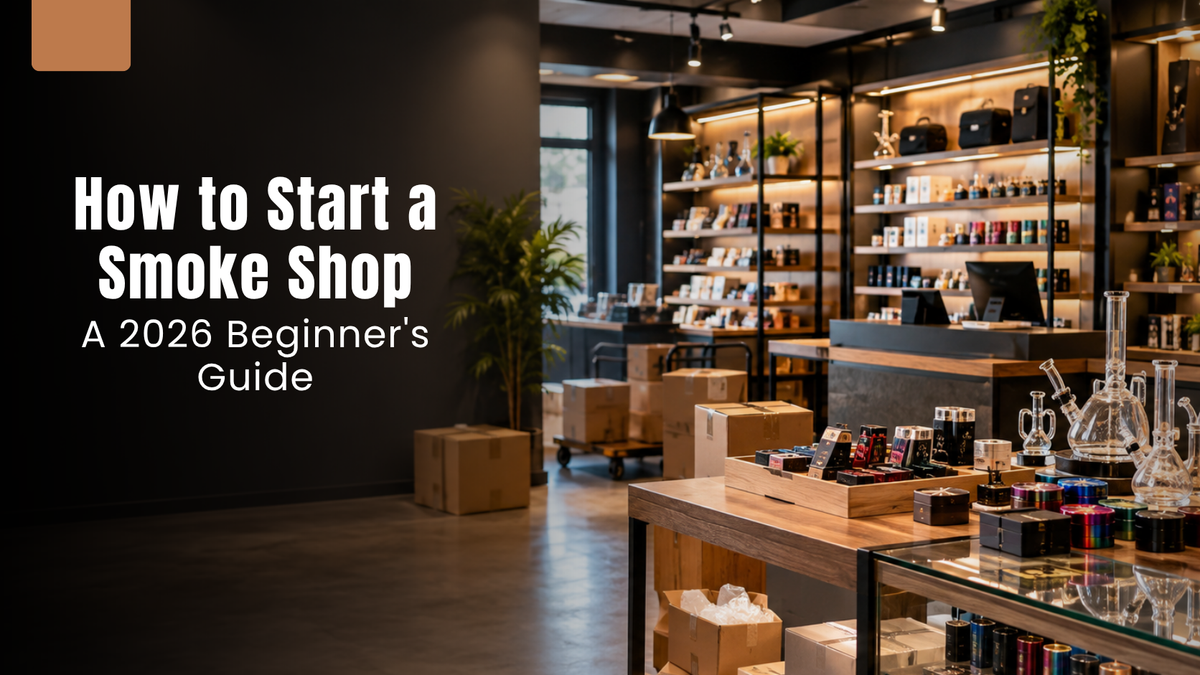
How to Start a Smoke Shop: A 2026 Beginner's Guide
Opening a smoke shop can be an exciting opportunity for entrepreneurs and established retailers looking to expand their product selection. But a successful store requires more than finding a location and filling shelves.
You need the right product mix, reliable wholesale suppliers, organized inventory and a clear understanding of the customers you want to serve.
If you're planning to start a smoke shop in 2026, here's a practical roadmap to help you think through the process.
1. Build a Clear Business Plan
Before ordering inventory, define what you want your store to be.
Consider:
- Who are your target customers?
- What product categories will you carry?
- How large is your retail space?
- What price range will you target?
- How much inventory can you comfortably carry?
- What makes your store different from nearby competitors?
A focused product strategy can help prevent one of the most common problems for new retailers: purchasing too much inventory before understanding what customers actually want.
2. Understand Your Local Requirements
Retail businesses selling regulated or age-restricted products need to understand the laws and requirements that apply to their location.
Licensing, permits, age restrictions, product regulations and other requirements can vary depending on your state and local jurisdiction.
Before purchasing inventory, research the requirements that apply to your business and speak with the appropriate local or state authorities when necessary.
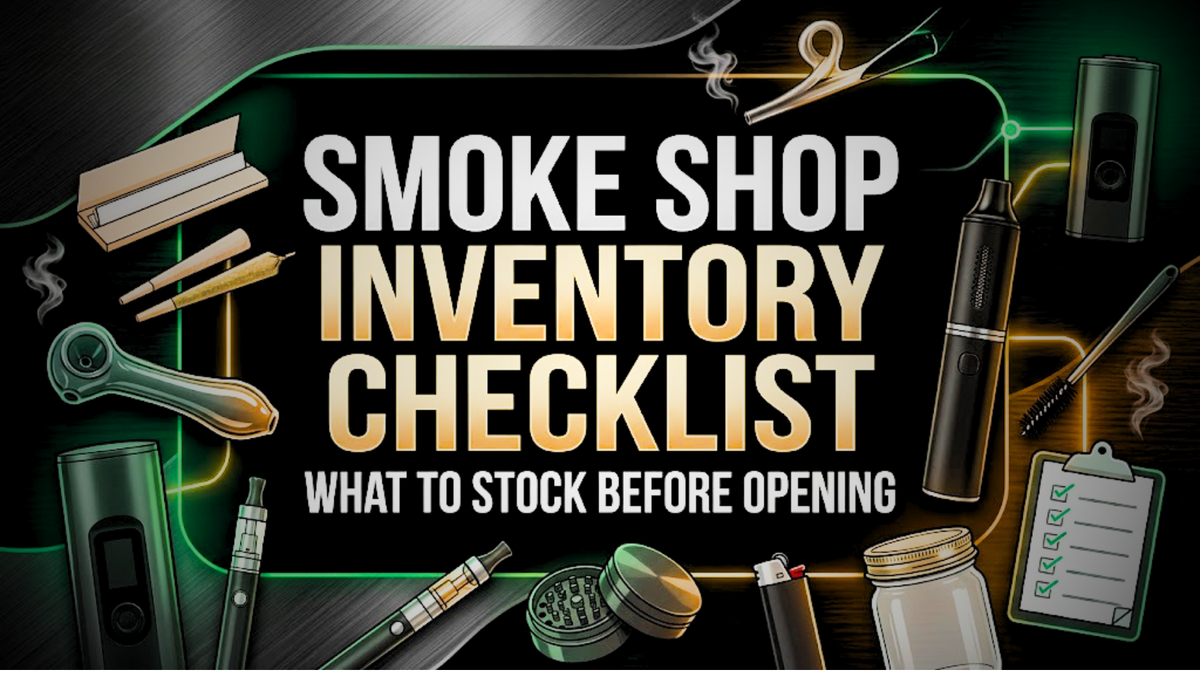
3. Plan Your Initial Inventory
Your opening inventory should provide variety without tying up too much capital in products that may move slowly.
Think about building your inventory around several complementary categories rather than relying on one product type.
For example, a specialty retailer may consider:
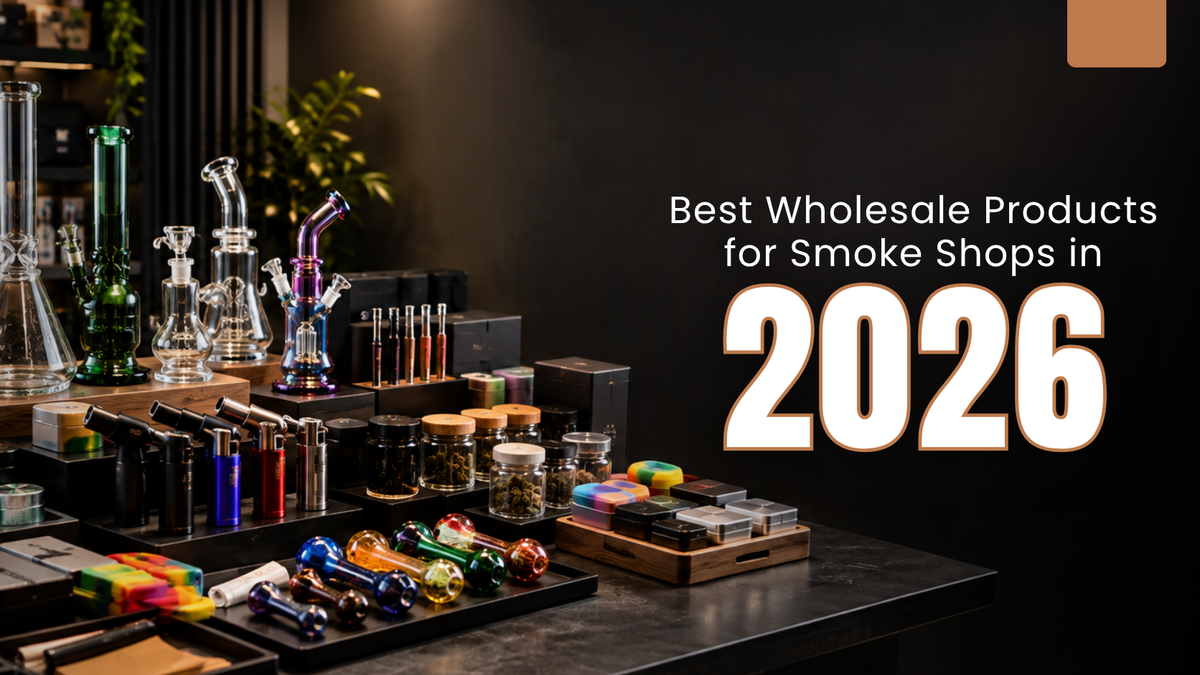
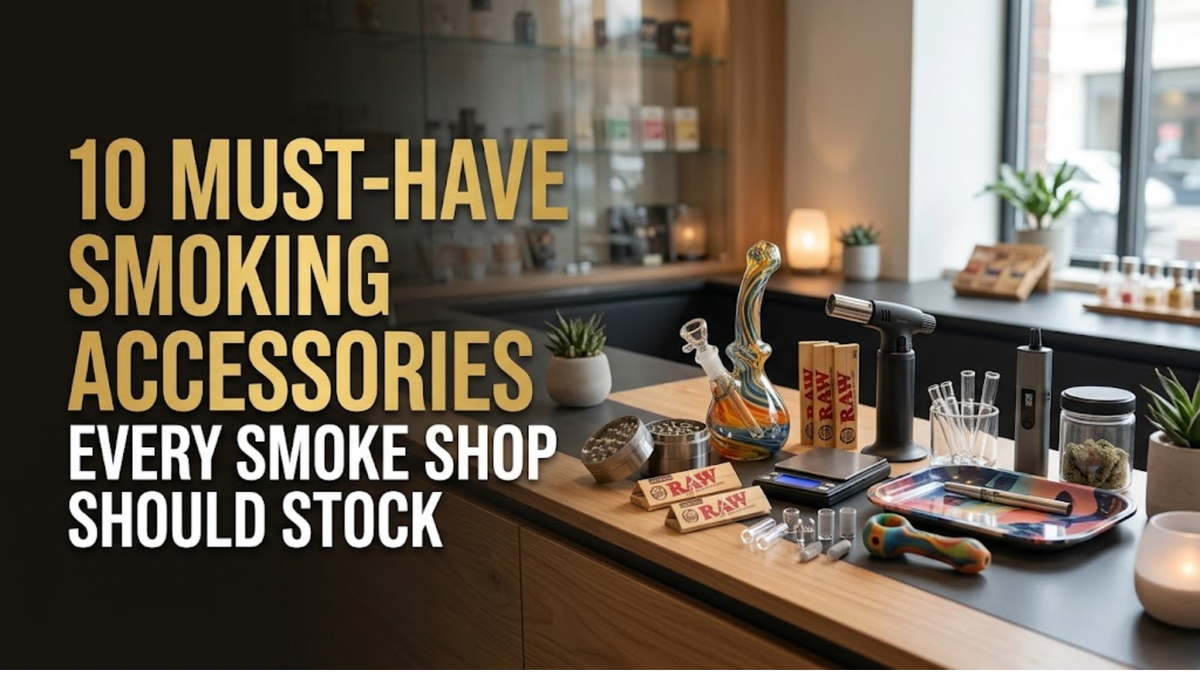
- Smoking accessories
- Rolling accessories
- Specialty products
- Sporting goods
- Novelty products
- Other merchandise that fits its customer base
The exact mix should depend on your store, local demand and applicable regulations.
4. Find a Reliable Wholesale Supplier
Your supplier can have a major impact on your retail operation.
When comparing wholesale suppliers, look beyond price.
Consider:
- Product variety
- Wholesale pricing
- Case quantities
- Minimum order requirements
- Shipping options
- Product availability
- Customer service
- Ordering convenience
A supplier with a broad product selection can also make purchasing easier because you may be able to source multiple categories from one place.
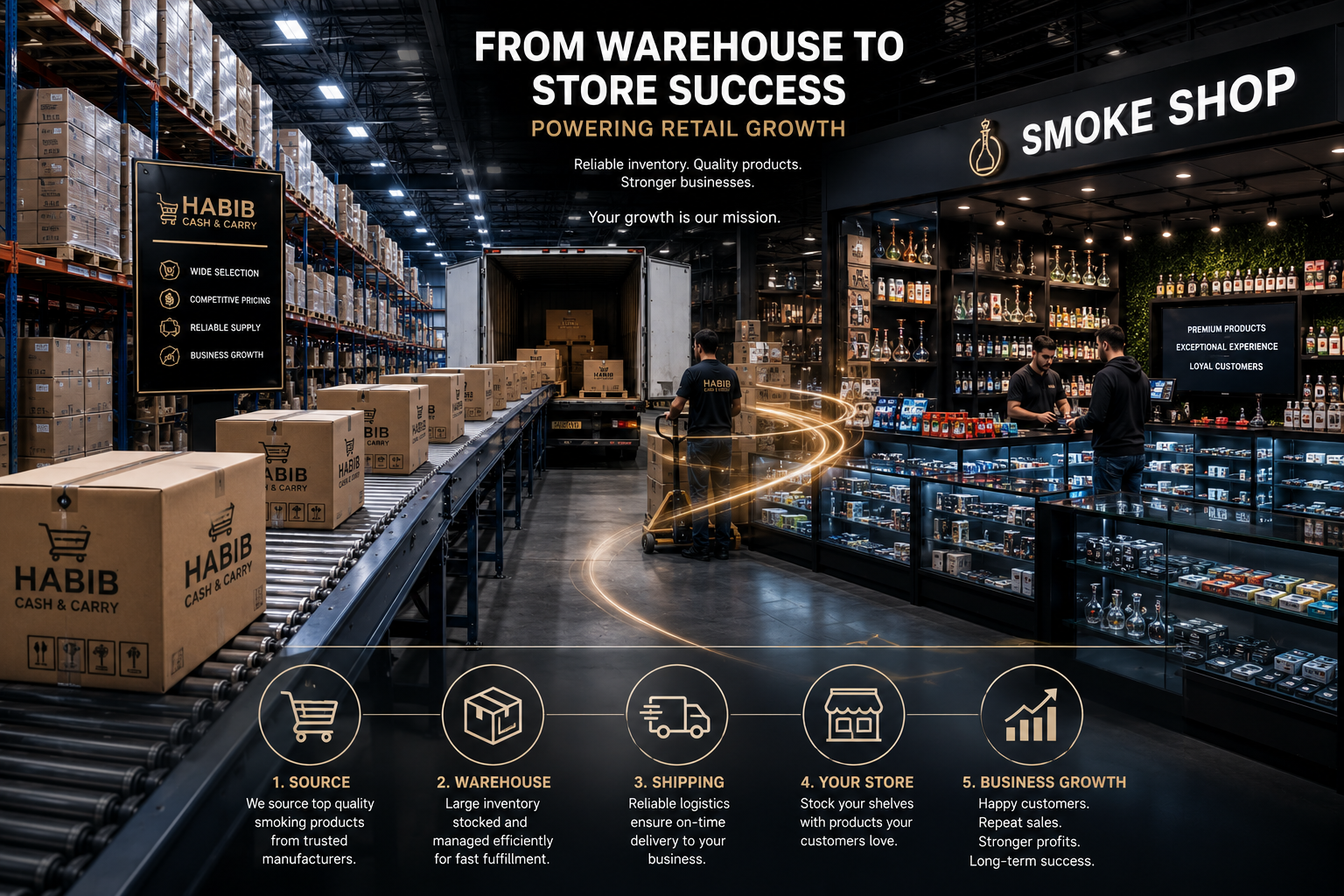
Habib Cash & Carry has been serving retail businesses since 1990 and offers a wide variety of wholesale merchandise.
Explore Habib Cash & Carry:
https://habibcashandcarry.com/
5. Create an Organized Store Layout
A well-organized store makes it easier for customers to browse and easier for employees to manage inventory.
Group related products together and make frequently purchased products easy to locate.
Small accessories can also benefit from thoughtful placement near checkout areas, provided the arrangement complies with applicable retail requirements.
6. Track What Actually Sells
Don't rely entirely on assumptions.
After opening, monitor:
- Best-selling products
- Slow-moving inventory
- Repeat purchases
- Seasonal demand
- Product categories with growing interest
- Products customers frequently ask about
This information should influence your future wholesale orders.
Final Thoughts
Starting a smoke shop requires careful planning, responsible inventory management and a reliable wholesale supply strategy.
Instead of trying to stock everything from day one, focus on building a balanced product selection and learning what your customers actually purchase.
A strong wholesale relationship can make that process much easier as your business grows.

Leave a comment
This site is protected by hCaptcha and the hCaptcha Privacy Policy and Terms of Service apply.